
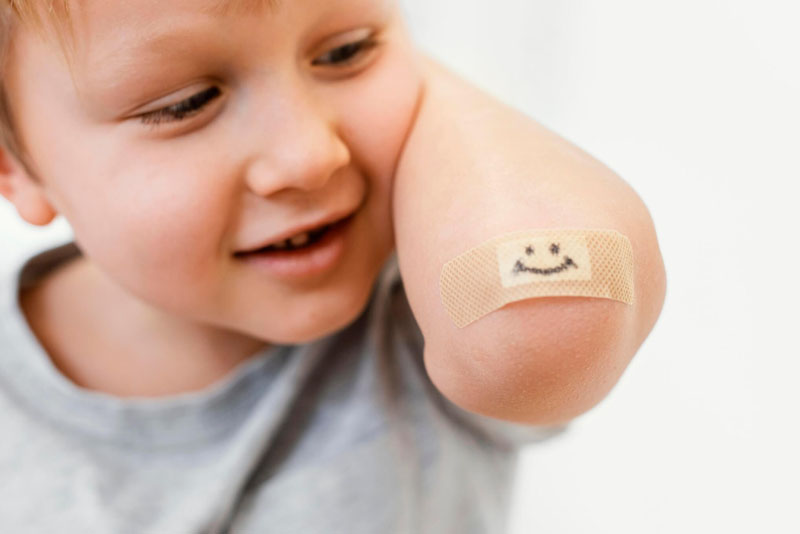
Scars are a natural part of the body’s healing process, especially after wounds, surgeries, or accidents. However, in children, these marks can raise concerns both aesthetically and functionally, as their growing skin is more prone to irregular scarring. The good news is that there are effective methods to minimize scars in children, ensuring a healthier and more aesthetically pleasing recovery.
Why Do Scars in Children Require Special Attention?
Children’s skin is thinner, and their healing process differs from adults. As they grow, scars may stretch or change in appearance, making early and effective care even more important. Additionally, factors like genetics, the type of wound, and the affected area can influence how a scar forms.
While it’s impossible to eliminate scars completely, their size, color, and thickness can be reduced with proper care. The key is timely intervention and using the right methods to promote optimal healing.
-
Keep the Wound Clean and Protected
The first step to minimizing scars is ensuring the wound heals properly by keeping the area clean and infection-free.
– Daily Cleaning: Wash the wound gently with warm water and mild soap, avoiding vigorous scrubbing.
– Prevent Infections: Apply a mild antiseptic and use sterile dressings to protect the wound.
– No Scratching or Picking: Prevent the child from scratching or removing scabs, as this can delay healing and leave more noticeable scars.
Proper wound care ensures natural healing and reduces the risk of prominent scarring.
-
Use Silicone Gels and Patches
Medical-grade silicone products, such as gels and patches, are highly recommended for reducing and flattening scars. Silicone helps maintain skin hydration, promoting a more uniform and less noticeable healing process.
– Use silicone products once the wound is fully closed.
– Follow the pediatrician’s or dermatologist’s instructions for application.
-
Adequate Sun Protection
Exposure to sunlight can darken scars and make them more visible, especially on children’s delicate skin. Protecting scars from the sun is crucial during the first months or even years.
How to Protect Scars from the Sun:
– Apply sunscreen with SPF 30 or higher on the affected area.
– Use clothing or bandages to cover the scar.
– Avoid prolonged sun exposure, especially between 10 a.m. and 4 p.m.
Over time, sun protection helps scars blend better with the natural skin tone.
-
Gentle Scar Massages
Once the wound has completely healed, performing gentle massages on the scar can improve its appearance and flexibility.
How to Perform Scar Massages:
– Use a moisturizer recommended by the doctor.
– Massage the scar in gentle circular motions for a few minutes daily.
– Be consistent but avoid applying too much pressure.
This method helps break down scar tissue, improving skin elasticity and reducing scar stiffness.
-
Specialized Medical Treatments
For deeper or more problematic scars, such as hypertrophic scars (raised and thick) or keloids (scars that grow beyond the wound), specialized treatments may be necessary. These include:
– Corticosteroid injections
– Laser therapy
– Cryotherapy
Consult a pediatric dermatologist before opting for these treatments, as each scar and child is unique.
-
Proper Hydration and Nutrition
Healthy skin needs hydration and nutrients to heal effectively. Encourage a balanced diet rich in vitamins and adequate water intake to support the healing process.
Minimizing scars in children is not just about aesthetics—it also supports their physical and emotional well-being. Prevention and early action are key to ensuring children’s skin heals as best as possible.
We hope you found this article on effective methods to minimize scars in children helpful. Follow us on Instagram and Facebook, and visit our website for more details about our services.